

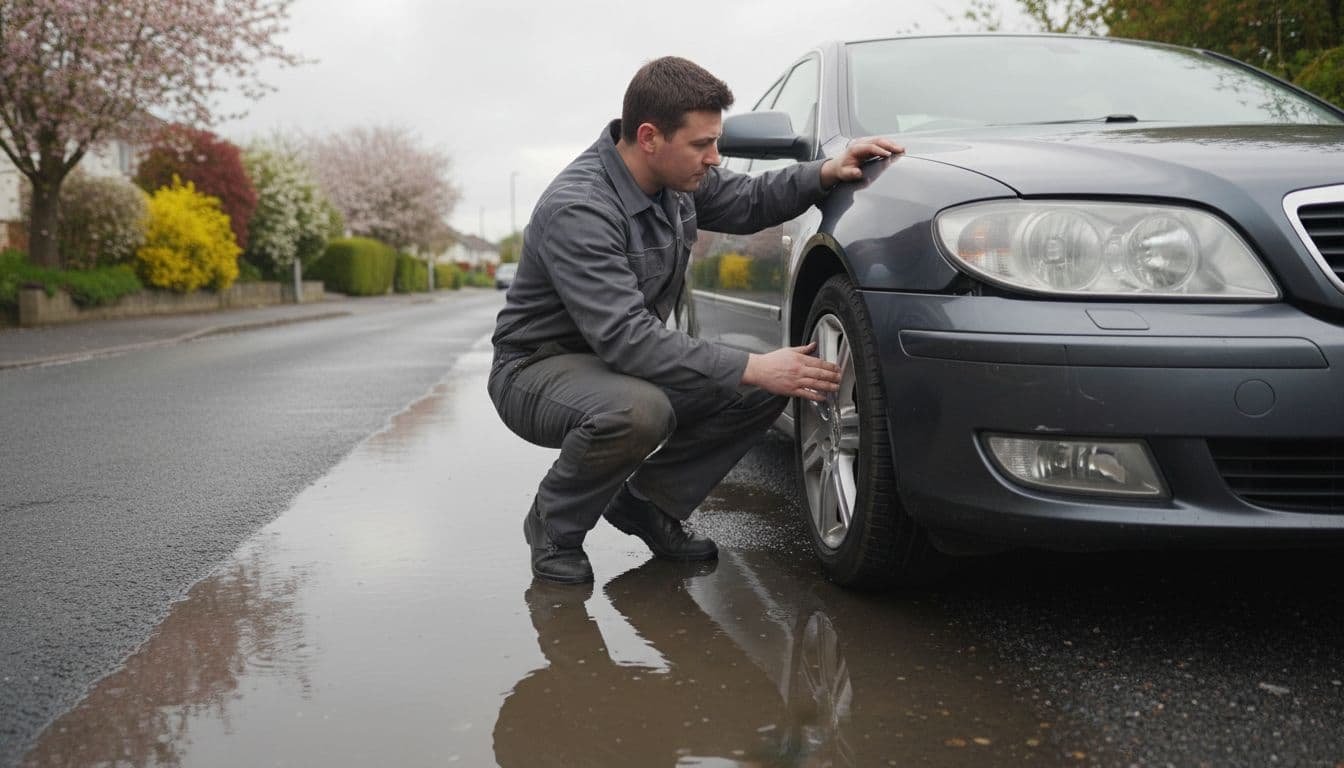
Car Care for Spring: 8 Checks to Make After Winter Wear in Northern Ireland
Winter can be tough on any vehicle, which is why car care for spring matters after months of wet roads, grit, potholes and short trips. Even if your car seems to be running well, winter wear can build up quietly and only show itself later.
The good news is that spring maintenance does not need to be complicated. A few simple checks now can improve safety, comfort and reliability, while helping you avoid bigger repair bills later on.
Key Takeaways
- Car care for spring is about spotting winter wear early.
- Check tyres, brakes, lights, fluids, battery and wipers first.
- Watch for signs of alignment or suspension issues after potholes.
- Wash the car properly so you can spot chips, rust or hidden damage.
- If the car has had a recent bump and does not feel right, do not ignore it.
- Sorting problems in spring can save stress, improve safety and help avoid larger bills later.
1. Check tyre tread, condition and pressure
Tyres usually take the biggest hit over winter. Potholes, rough surfaces, standing water and kerb knocks all add wear.
Start with tread depth. In Northern Ireland, the legal minimum is 1.6 mm across the central three-quarters of the tread, but replacing tyres before they reach that point is the safer option, especially for wet spring roads.

Then inspect each tyre for:
- Cuts
- Cracks
- Bulges
- Uneven wear
- Do not forget the spare if your car has one.
Pressure matters just as much. Low tyre pressure can increase wear and fuel use, while too much pressure can reduce grip. Check pressures when the tyres are cold and always use the manufacturer’s recommended settings.
2. Look out for alignment issues after potholes
Winter potholes can easily knock wheel alignment out.
If your steering pulls to one side, the wheel no longer sits straight, or one tyre is wearing faster than the others, your tracking may be off. Left too long, poor alignment can shorten tyre life and make the car less pleasant to drive.
If the car has felt different since hitting a pothole, it is worth getting it checked.
3. Make sure the brakes feel firm and smooth
Brakes should feel steady, responsive and predictable. If the pedal feels soft, the car vibrates under braking, or you hear squealing, scraping or grinding, get it inspected.
Road salt, wet conditions and general winter grime can all affect braking components. Brake problems rarely fix themselves, and spring is the ideal time to catch them early.
4. Listen for suspension and steering wear
Another item on your car care for spring checklist should be Suspension and steering components. These work hard through winter, especially on rough roads.
Knocks over bumps, clunks when turning, extra bouncing or a harsher ride can all point to wear underneath. The car may still feel drivable, but these warning signs should not be ignored.
A spring inspection is a good time to pick up problems before they affect handling, tyre wear or comfort.
5. Check Lights and Clean The Lenses
Lights are easy to forget until one stops working.
Check:
- Headlights
- Brake Lights
- Indicators
- Fog lights
- Number Plate Lights
Spring in Northern Ireland still brings heavy showers, dull days and low evening sun, so visibility remains important. Clean lenses can also make a real difference after months of winter grime.
6. Top up the key fluids under the bonnet
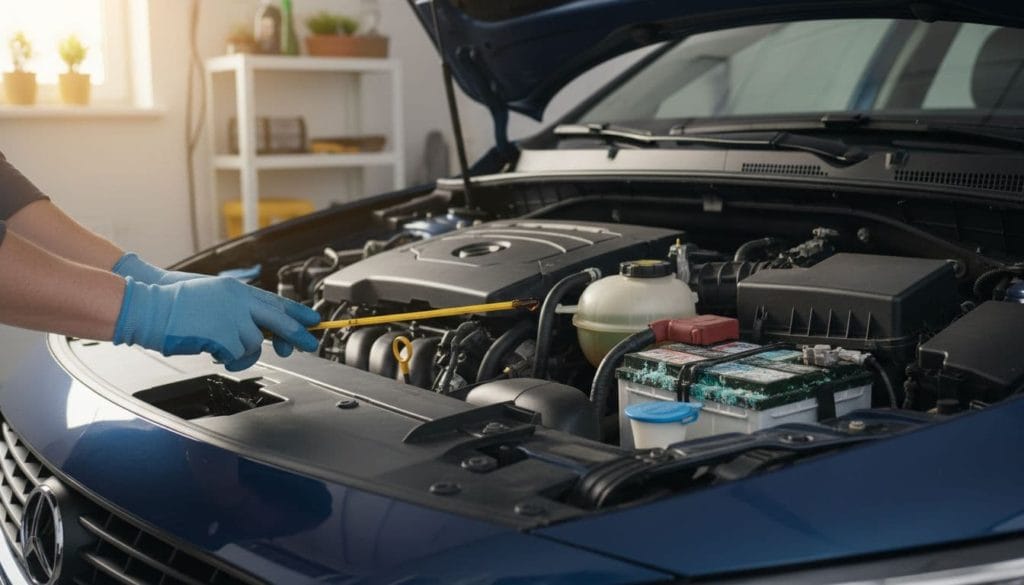
A basic fluid check is one of the easiest parts of car care for spring, but it is often overlooked.
Check:
- Engine Oil
- Coolant
- Brake Fluid
- Screenwash
If the oil is low, top it up with the correct grade. If it looks dirty or the car is due a service, get it booked in. Coolant is worth checking after a winter of cold starts and heavy heater use, while brake fluid should not be ignored if braking feels different.
And always keep the screenwash topped up. Spring roads still throw up spray, dirt, pollen and insects, so clear vision matters.
7. Test the battery and replace worn wipers
Batteries often show weakness after winter, especially if the car has mostly done short journeys or sat unused for periods.
Common warning signs include:
- Slow Starting
- Dim Lights
- Clicking When Starting
It is also worth checking the battery terminals for white or green corrosion.
Then inspect the wiper blades. If they smear, squeak or leave streaks, replace them. Spring rain quickly exposes tired wipers, and poor visibility is not worth risking.
8. Wash the car properly and inspect for hidden damage
A proper wash is not just about appearance. It removes winter salt, grime and mud that can hide faults.
Pay attention to:
- Paintwork
- Wheels
- Wheel arches
- Trims
- Any underside areas you can safely see
A clean car makes it easier to spot chipped paint, rust, damaged trim or loose liners. It is also a good time to check for small windscreen chips, which can spread quickly after one rough road or another cold snap.
Had a bump and your car doesn’t feel right?
If you have been involved in a non-fault accident in Northern Ireland, Bump Accident Management can help with recovery, repairs, a replacement vehicle and legal & medical support. We will getting things moving again without all the hassle.