

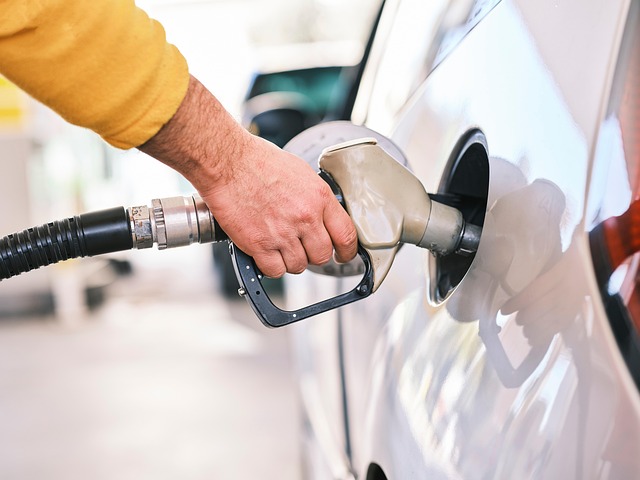
Top Fuel Saving Suggestions That Help Cut Running Costs
With the increases in Fuel prices recently we thought it would be a good time to post our top fuel saving suggestions.
Been at the pump recently and got a shock at the cost to fill up? You’re not alone! If you’re trying to spend less on petrol or diesel and boost your fuel economy, the good news is some simple changes can help make a difference.
Key Takeaways
- Smoother driving usually cuts fuel use and carbon emissions fastest
- Correct tyre pressure helps your car roll with less effort
- Less idling means less fuel burned while going nowhere
- Better route planning reduces wasted miles and stop-start traffic
The best top fuel saving suggestions are usually the most realistic. Small changes in how you drive, how you look after your car, and how you plan trips can build up over time, a bit like loose change filling a jar. Start with a few easy wins, and you’ll often notice your miles per gallon improving faster than you expect.
Fuel Efficient Driving Every Day
Driving style often makes the quickest difference because it affects every mile you cover. The aim isn’t to crawl along and annoy other drivers. It’s to make the car work less.
Drive Smoothly: Accelerate Gently and Keep Your Speed Steady
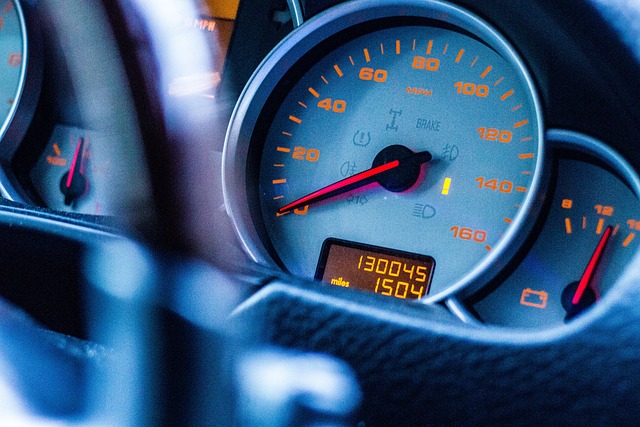
Heavy acceleration drinks fuel. So does braking late, then speeding up again a few seconds later. A smoother approach saves money because your engine isn’t constantly being pushed, then forced to recover.
Try to pull away gently with smooth acceleration and build speed in a calm, even way. Also, anticipate traffic by reading the road ahead. If traffic is slowing, ease off earlier to maintain momentum instead of racing towards the queue and braking hard at the end. That one habit alone can make town driving less wasteful.
Change Gear Early and Avoid High Revs
If you drive a manual, gear changes a bit earlier can save fuel straight away. In simple terms, high revs mean the engine is spinning harder than it needs to. Low revs, within reason, usually mean lower fuel use too.
That doesn’t mean labouring the engine in the wrong gear. It means moving up smoothly when the car is ready, to reach the highest gear at cruising speeds, rather than stretching each gear for no good reason. Many modern cars hint when to shift, which can help you time it right and be more efficient.
Keep your car in good shape so it does not waste fuel
Vehicle maintenance isn’t only about safety and avoiding breakdowns. It is an often overlooked top fuel saving suggestion because a well-kept car runs with less strain. Using premium fuel occasionally can help keep engines clean too.
Check tyre pressure more often
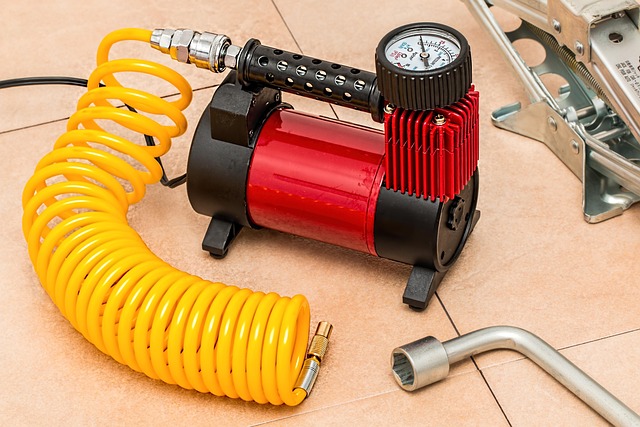
Under-inflated tyres create more rolling resistance. In plain English, they drag more, so the engine has to work harder to keep the car moving. That means more fuel burned for the same trip.
Check tyre pressures at least once a month and before a long journey. Use the figures in your car maker’s guide, not a rough guess. Cold tyres usually give the best reading, so check them before driving far.
Do not carry unnecessary weight or leave roof racks on
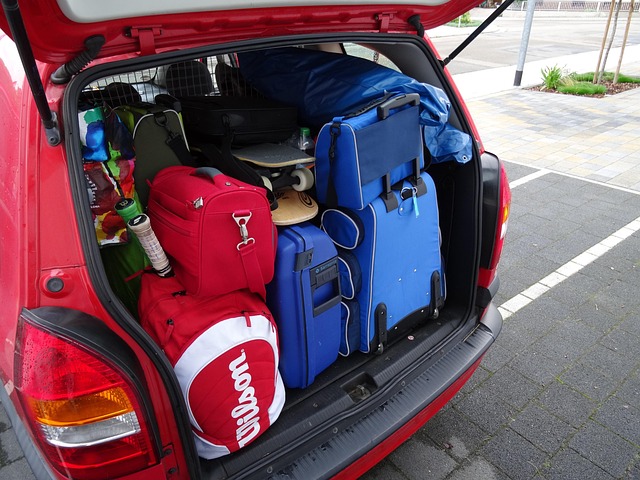
Cars are a bit like backpacks. The more weight you carry, the more effort every step takes. The same goes for fuel use. Extra items in the boot may not seem like much, but over weeks they add up.
Common offenders include tool bags, sports kit, pushchairs, storage boxes, and random shopping left behind. If you don’t need it this week, take it out.
Roof racks and roof boxes can be even worse because they add drag as well as weight, harming aerodynamics. If they’re not in use, remove them. A clean roof lets air pass more easily, which can help on longer or faster journeys.
Plan smarter trips to cut wasted miles and wasted fuel
You don’t have to change cars to save fuel. Often, you just need to make each journey work harder for you. Smart planning, is another of our top fuel saving suggestions. A couple of smart moves when it comes to planning helps.
Combine short journeys when you can
Cold engines use more fuel, especially on short trips. That’s why several quick drives, to school, the shops, then back out again, can cost more than one well-planned outing.
Try grouping errands into one journey where possible. That way, the engine warms up once and stays efficient for longer. It also saves time, which is never a bad thing.
Cut idling and use air conditioning wisely
An idling car still uses fuel, even though it’s going nowhere. If you’re stopped for more than a short spell, and it’s safe and practical, turn the engine off to cut idling. That can help outside schools, at long waits, or while parked up.
Air conditioning also uses extra fuel, but the answer isn’t to avoid it at all costs. On a warm day, use it when you need to. Just remember that driving with windows fully open at higher speeds can create drag too. In other words, moderation usually works best.
Start with two habits and build from there
You don’t need to try and implement all of our top fuel saving suggestions this week. Pick two or three habits first, then let them become routine. The biggest wins usually come from driving smoothly, proper tyre pressure, less weight in the car, and smarter trip planning. These steps can significantly lower your fuel consumption. Check out our other safety and driving tips tailored for NI drivers.
Accident Help When Costs Are Already High
If you’re ever involved in a non-fault crash, Bump Accident Management NI can help with recovery, repairs, a replacement vehicle, and support through the claims process at no cost to you.
When money already feels tight with rising fuel prices, having the right help can take a lot of pressure off.
Bump operates across key areas including Belfast, Lisburn, Bangor, Newtownards, Newtownabbey, Carrickfergus, Antrim, Ballymena, Coleraine, Derry/Londonderry, Craigavon and Newry, serving drivers all over Northern Ireland.